How straight talk beats excuses and empty statements.
We called it “bullshit”. Kids today say “that’s cap.” Different vocab, same nonsense. Whether you’re bullshitting or capping, everyone’s tired of it, and we need more no cap at work.
I get a lot of cold emails from the most random people, and I’m ninety percent sure half of them are bots with LinkedIn headshots created with AI. And here’s my problem. I hate ignoring people. I hate “circling back” emails even more. So I usually respond with a pithy but polite line like, “Sorry, don’t have the budget for this now, but wishing you the best.”
Some folks appreciate the quick reply. Others move on. Then there are the BS artists. Or Cap Artists. Doesn’t have the same ring, but you get my point.
Recently, I got one of these cold emails from someone offering to “promote my book Good Listen” which, yes, you can pick up on Amazon if you’re looking for a delightful read. I genuinely didn’t have the bandwidth or the budget to do any more book marketing, so I sent one of my usual responses: “Thanks for reaching out and for taking the time to check out my book. Unfortunately, I don’t have the budget to pursue this right now.”
Clean. Respectful. Neutral. Done, right? Nah. They came back with, “Do I look like a person who is seeking money?”
I paused, wondering if I misread something. Maybe they were offended. Maybe my response was too quick. So, I apologized and replied again. After a bit of back and forth, they sent me their “Targeted Book Campaign Packages.”
The prices ranged from $370 to $1200. And you already know the rule. When someone insists “it’s not about the money,” it’s absolutely about the money.
Stop the cap. We see this play out at work every day. For example, the whole return-to-office drama everyone’s been dealing with these past few years.
We hear CEOs swear the reasons are noble. They want collaboration. Community. Serendipity. The magic of spontaneous hallway conversations. All the buzzwords they use in town halls while sitting between two ferns.
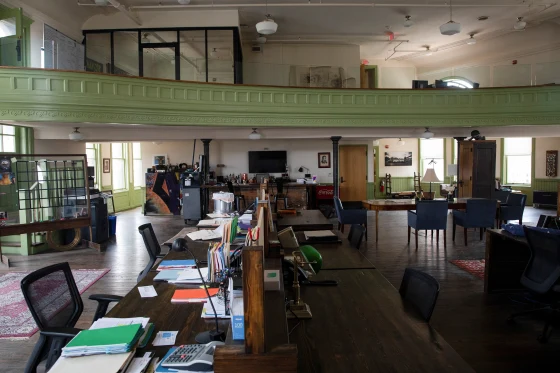
Meanwhile, the real reason? They signed a ten-year lease on a glass palace with a fancy coffee machine and a meditation room no one uses. Someone has to hover over those sleek new standing desks. Just be honest with us. I’d respect a leader who comes out and says, “Look, I know we work well from home. I know productivity went up. But I’m flushing money down the drain on this building, and I need bodies in seats.”
Is it the best reason? No. Is it honest? Absolutely. And honesty buys goodwill. But when leaders puff up and pretend it’s all about “team unity” while quietly panicking about real estate costs, that’s when trust erodes.
People smell cap from a mile away. They don’t always know exactly what’s off, but they feel it. And once they feel it, you’re done.
The wild part is, honesty doesn’t make leaders weak. It makes them believable. It makes their decisions feel grounded. Even if the truth is uncomfortable, it’s still better than a polished memo full of corporate flare. We’re adults. We can handle reality. What we’re allergic to is nonsense dressed up as strategy.
So, whether you’re sending cold emails, leading a team, pitching an idea, or rolling out a company-wide policy, here’s the ask:
Say the thing you mean. Tell the truth early. Skip the cap, skip the spin and skip the BS.
You’ll earn more respect that way. No cap.