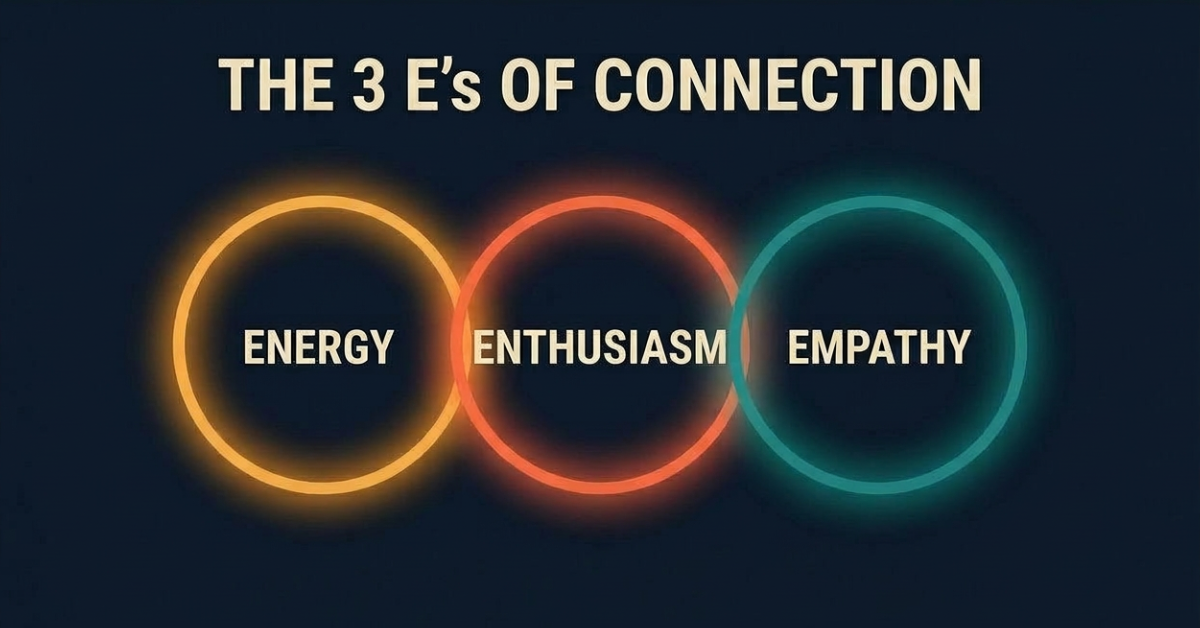
Why listening without explaining keeps work moving
Do you know how to take a note? I do not mean taking notes in a meeting or writing down instructions from your boss. I mean a note.
On TV and movie sets, a “note” has a specific meaning. Someone pitches an idea, a joke, a moment, a performance choice, or a style tweak. Someone else responds with feedback. That feedback is called a note.
Then a choice happens. Someone takes the note. Or someone does not.
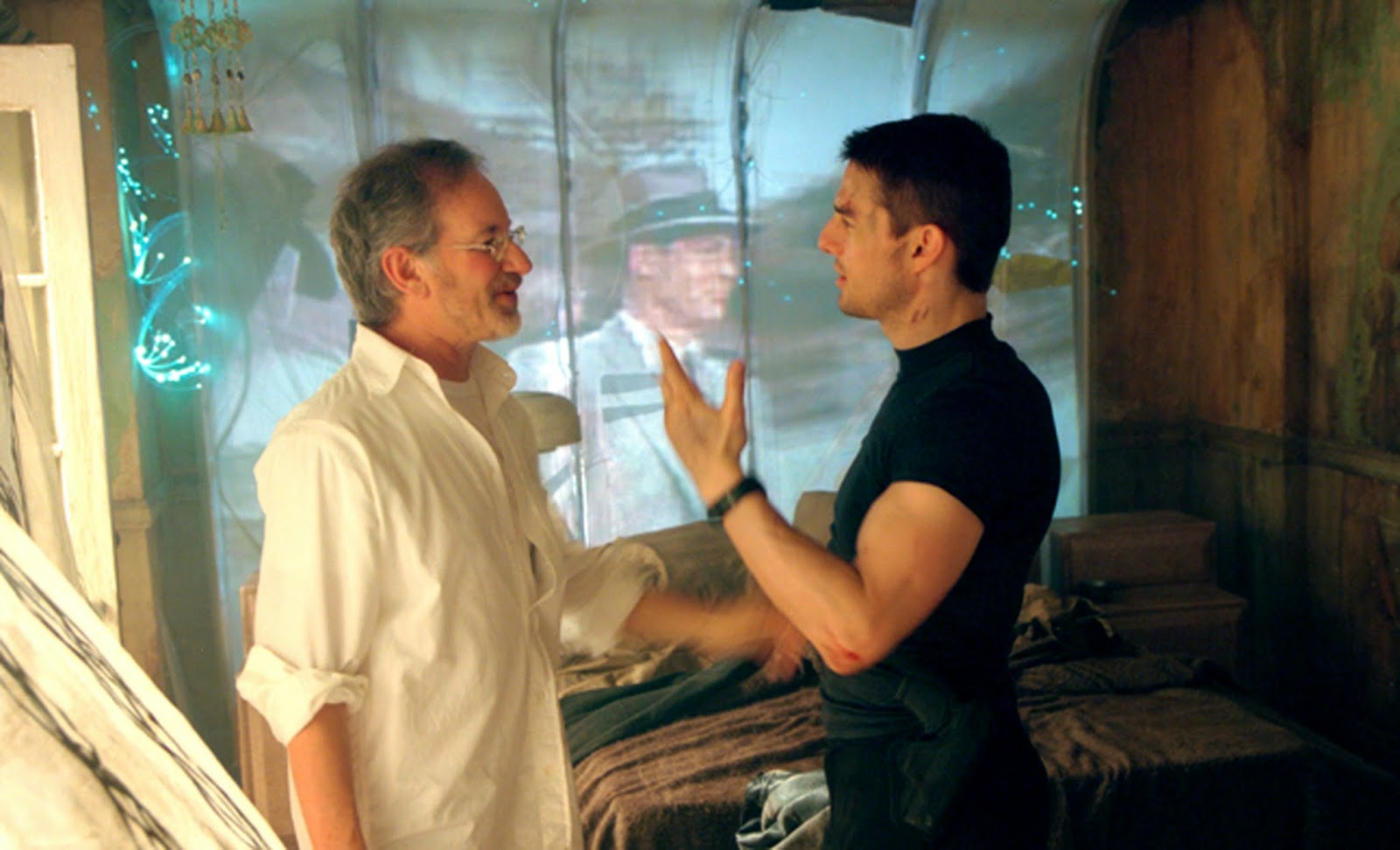
When filmmakers, writers, or performers talk about strong projects, one phrase comes up often. “They took the note.” That phrase signals trust. Taking a note means listening without drama, adjusting when needed, and keeping momentum moving. The audience never sees the note.
They only experience the improved result.
On sets, notes are not (always) personal. Notes are directional and exist to sharpen the work.
Outside Hollywood, notes exist in every part of life. Clients give notes. Colleagues give notes. Partners give notes. Friends give notes. Social media platforms deliver notes nonstop. You already know how noisy feedback feels. You probably filter more than you accept. That part matters.
What matters more is how you respond in the moment.
Here is the pattern many people fall into: Someone offers a note. The person receiving the note immediately explains. A long backstory follows. Ten minutes of context about why the choice made sense and why the note misses the mark.
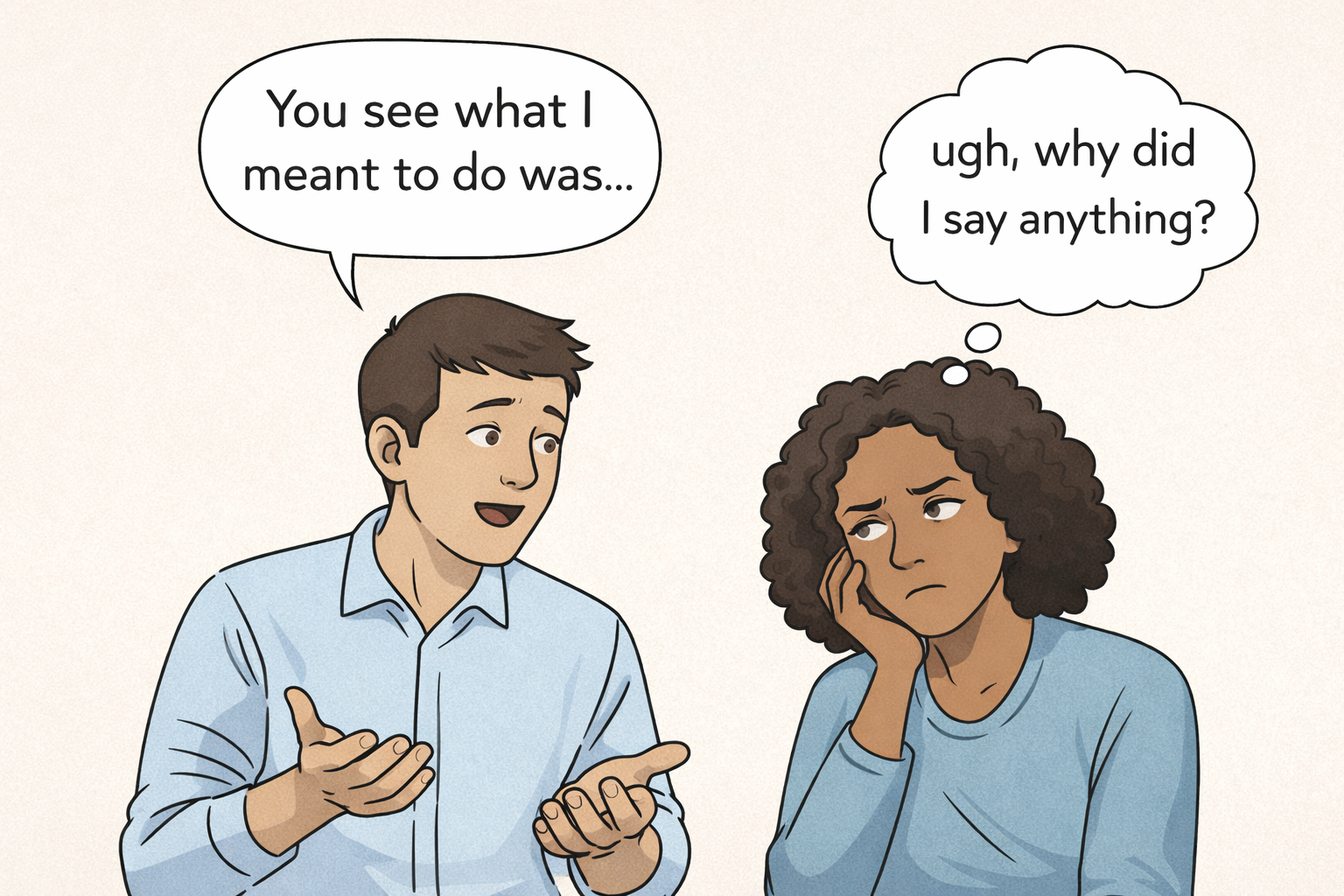
This response creates awkward friction. The person offering the note is sharing a reaction, not asking for a defense. When you counter feedback with explanations, you shift the focus away from progress.
Over-explaining slows everything down. It creates tension without purpose. It signals insecurity, even when you feel confident in your reasoning.
People offering notes want the work to improve. They do not need the full history behind every decision. They want to move forward.
This pattern shows up in creative work, leadership, and everyday communication.
Here is the rule. Take the note and move on. Taking the note does not equal agreement. Taking the note just means you acknowledge the feedback without turning the moment into a debate.
You listen, say thanks and you keep going.
After you take the note, you have two real options.
The mistake sits in arguing in real time. Trying to win the moment. Explaining every decision instead of finishing the work.
People who handle notes well lead better rooms. They separate listening from deciding. They treat feedback as part of the process, not a judgment of talent or intelligence.
Taking a note signals confidence, shows respect for the room and keeps work moving.
Next time someone offers feedback, pause before explaining. Skip the backstory. Skip the defense.
Take the note. Then move on.