History shows the workers who build range and strong human skills stay relevant through every shift.
People keep saying everyone should go all in on AI skills training. New courses, certificates, and the works. The pressure feels heavy and nonstop.
You hear it so much you start to think your whole future depends on how fast you master the next tool.
AI matters. You should study it and build real skill. But history shows something different about long term careers. The winners were never the ones who specialized too early. The winners adapted, learned across fields, and stayed sharp in the skills that do not get automated.
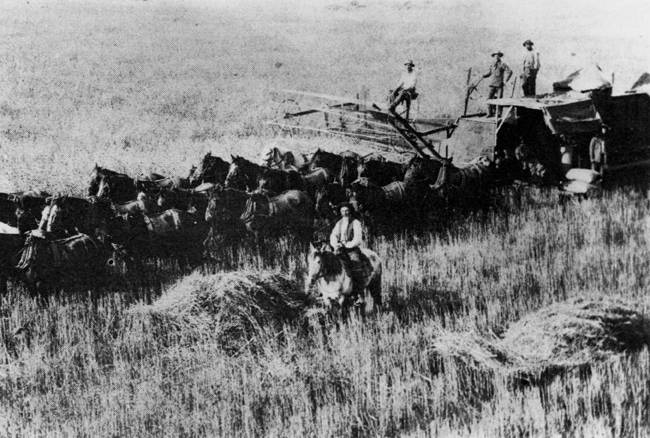
The numbers do not lie. In 1900, about 40 percent of the U.S. workforce worked in agriculture. Farming shaped the American economy.
If someone in 1900 said, “Everyone should train only for farming. That is the path. That is where the jobs are.” it would have sounded logical. It also would have been wrong. Today less than 2 percent of workers are in agriculture, yet the country produces more food than ever. Farming productivity soared because of machinery, science, and smarter operations.
For the past couple of years, there has been a lot of talk about bringing manufacturing jobs back to the United States. The same shift already happened here. In 1980, about 21 percent of workers held manufacturing jobs. Output was strong. Wages were strong. The path looked stable. Fast forward. Manufacturing output moved into the trillions, but only 8 to 9 percent of the workforce is in manufacturing today.
Technology reshaped everything.
The people who trained only for the dominant skill of their era lost when the market shifted. The people who adapted and kept learning stayed ahead. This matters right now.
Everyone keeps talking like AI is the only thing that will matter for the next twenty years. That is not how these cycles work. AI will change jobs. It will reshape entire industries. You should know how to use it with confidence. But going all in on one skill set ignores a hard truth.
Technology does not reward single lane workers. Technology rewards range.
Think about the people you admire. They move from role to role because they know how to learn, build relationships and solve problems. They listen well. These skills give you room to grow no matter what tools enter the world.
You see this pattern across every major shift. When agriculture mechanized, people moved into factories. When factories automated, people moved into services, technology, healthcare, and creative work. The economy expanded because workers adapted.
Learn the tools. Understand how it works. Use it daily. But build range. AI does not replace judgment or communication. AI does not replace how you make people feel. Your ability to lead, listen, write, speak, and collaborate gives you power in every market shift.
Soft skills sound small. They shape everything.
When factories automated, the best performers were the ones who knew how to learn new systems, communicate with teams, and stay flexible under pressure. When offices digitized, the workers who thrived wrote clearly, managed relationships, and handled conflict without blowing up a project. The pattern still holds.

Your value sits in skills that scale with technology, not skills that compete with it.
Learn how to communicate with clarity. Learn how to listen, write, and present ideas under pressure. Every major economic transition rewards the people who blend new tools with timeless skills. The data from the 1900s to today backs that up. The fields changed. The tools changed. The work changed. The workers who stayed adaptable built the strongest careers.
AI is a new chapter. Not the whole story. Train for it. Learn it well. But do not neglect the skills that keep you employable in any future.
Range wins. Adaptability wins. Communication wins. Build for the long haul.