A hard truth about criticism, attention, and an uncomfortable lesson from Aaron Rodgers.
Most people spend too much time listening to the wrong voices.
Advice shows up everywhere. Inbox replies. Comment sections. Group texts. Dinner conversations. Some guidance helps you grow. Other input drains energy and focus.
The difference often sits with the person offering the opinion (Remember what they say about opinions).
Over time many of us learn this lesson later than planned. As a long-suffering Jets fan, it’s hard for me to look at Aaron Rodgers, who is currently, as of this writing, the quarterback of the Pittsburgh Steelers. He may have retired and unretired twice since then.
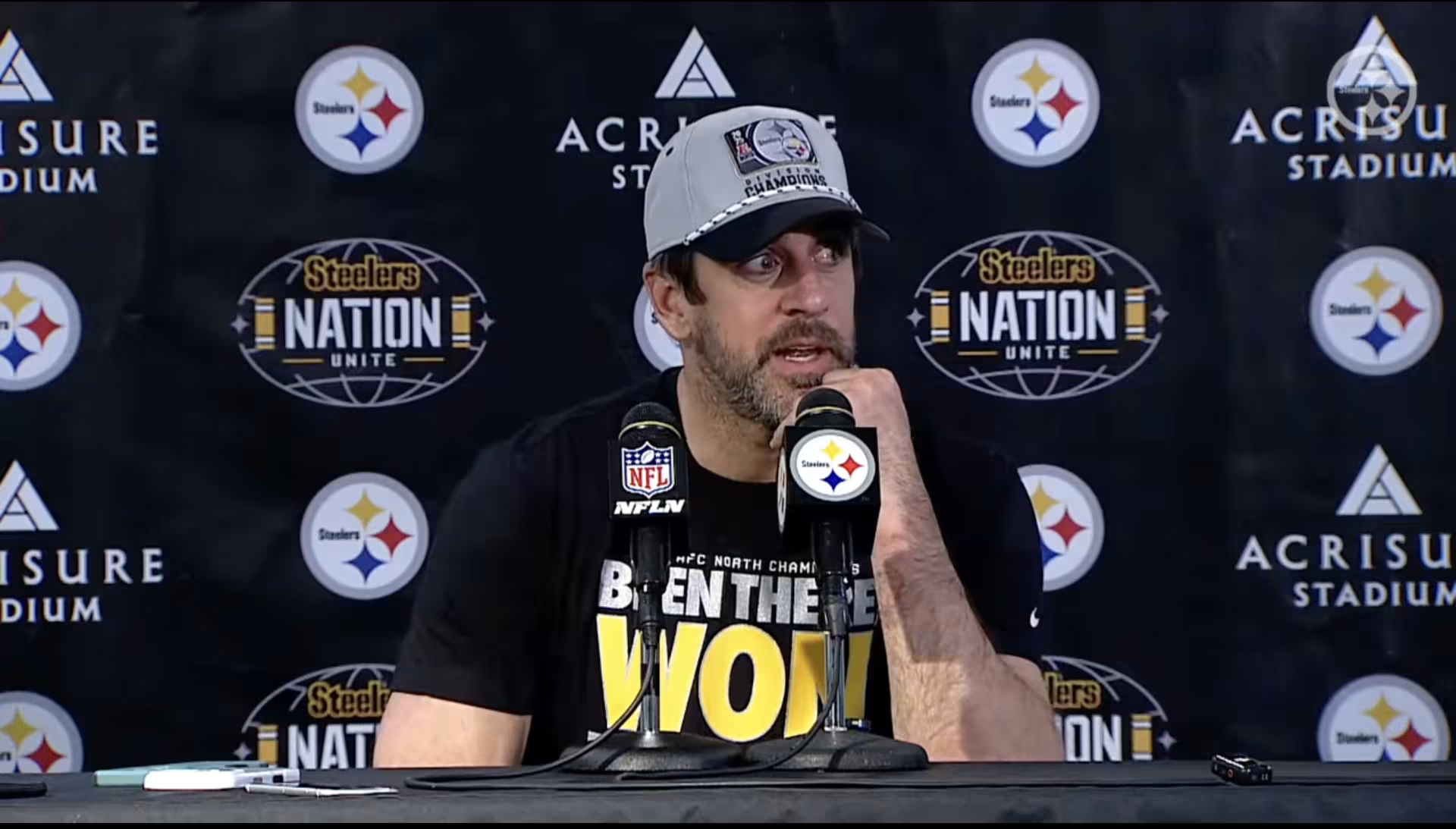
Still, agreeing with A-Rod hurts my soul. But he shared a thought about critics that stuck with me.
“You shouldn’t worry about criticism from someone you wouldn’t take advice from.”
Rodgers went on to explain that the idea landed for him at 38. He wished he had heard it at 15. He pointed out how much energy people spend worrying about opinions from voices they would never seek out for guidance.
As a result, that framing matters because attention drifts toward the loudest voices, not the wisest ones.
So, why do people search their own names and read replies after posting something honest?
Curiosity pulls first. Regret is next. The pattern repeats because the brain looks for social proof. Online spaces reward speed and VOLUME, not care.
A random reply gains weight simply by appearing on a screen. Pause and run a simple test.
Would you ask this person for guidance on health, money, relationships, leadership, or parenting? If the answer feels obvious, stop there. No debate needed. No spiral required. Close the tab and move on.
To be clear I’m not saying to ignore everyone. Awareness helps. Obsession hurts. Awareness notices patterns and themes. Obsession counts every reply and assigns meaning to each one. The first supports growth. The second sucks your soul, like Aaron Rodgers.
Instead think about advice as a board meeting. A small group earns seats through experience, trust, and alignment with your values. Not everyone deserves a chair. Many people get visitor badges.

A strong board includes people at different life stages and vantage points.
Notice what is missing from that list. Loud strangers. Drive by commenters. People who confuse confidence with certainty.
For that reason limit the seats. A crowded board leads to noise. A focused board leads to clarity. When feedback arrives, check the badge. Board member or guest? Guests speak. Board members decide.
This mindset shifts power back to you. External voices still exist. Their influence shrinks when the source lacks standing. You still hear feedback. You stop letting random voices steer real decisions.
If you want, next pass could tighten this for a shorter Substack read time or sharpen the generational contrast even more
Next, when a comment stings, ask one question. Would guidance from this person shape a decision that matters?
If the answer is no, release the opinion. Protect attention. Invest effort where wisdom lives.
Advice surrounds you every day. Choose sources with care. Your future self will thank you.