The moment I realized the subscription economy has gone too far.
I hit my subscription breaking point this week.
Another membership, annual charge and another “this will make your life easier” pitch.
And this one surprised me. My primary doctor of five years emailed me to say he’s switching to a membership based primary care model.
His reason: “Reducing the size of my patient panel, longer, unrushed appointments, and same day or next day visits.”
Sounds reasonable. Until you see the price. $3,000 a year.
And no, that doesn’t replace health insurance. Insurance still gets billed on top of it.
All those old sci-fi movies never imagined a future where even doctors came with a monthly fee. I guess Philip K. Dick, Isaac Asimov, and George Orwell couldn’t predict EVERYTHING.
This was new to me, but between 2018 and 2023, the number of concierge medical practices nationwide grew by more than 83%. No need to go into who benefits from this and who doesn’t. You probably get the picture.
Growing up in the 80s and 90s, the only things we subscribed to were magazines (remember those?), cable TV (basically an early streaming bundle), and the Columbia House Record & Tape Club (ask your parents).
Recurring revenue has been top of mind for CEOs and founders for the past six years. Thanks to Netflix and Spotify, everyone wants a piece.
Now it feels like most of your credit card bill is subscriptions for something. TV. Music. Food. Razors. Pets. Fitness. AI. You name it.
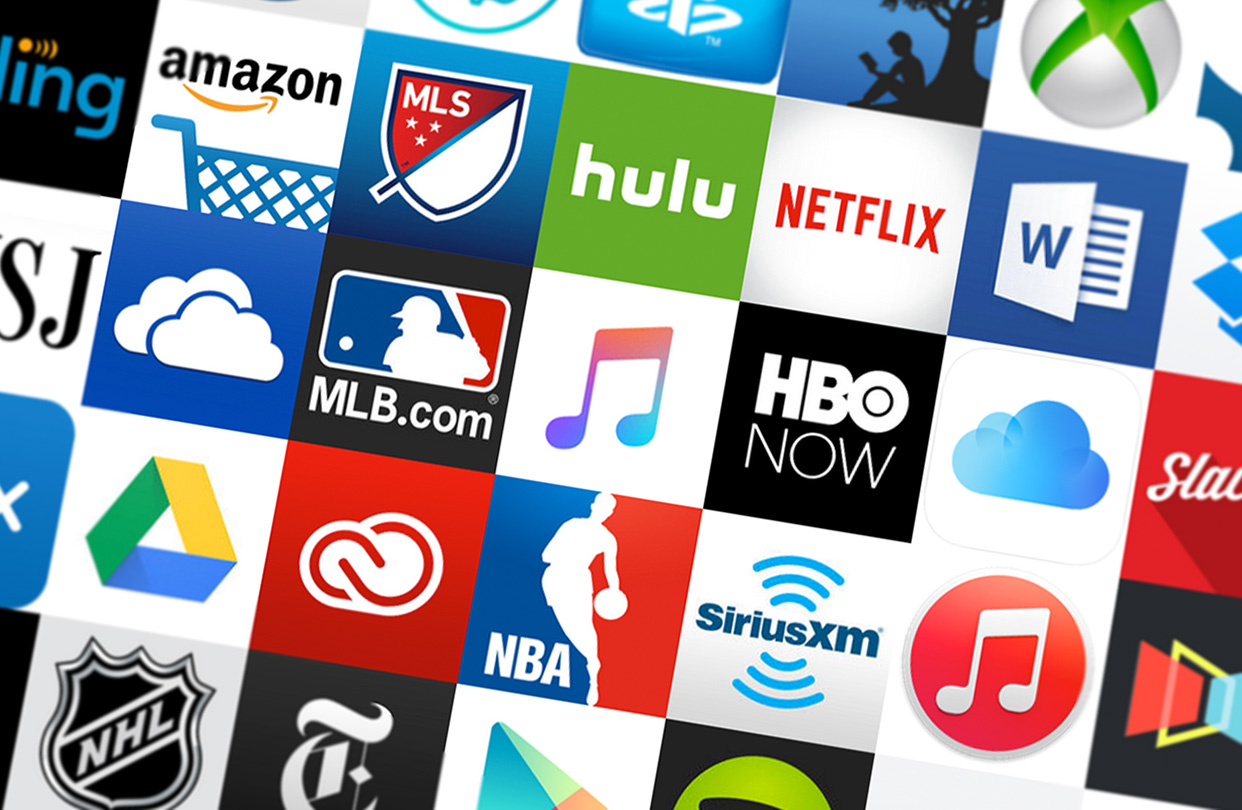
And consumers have had enough.
Recent research shows the average American now pays for 4 to 6 digital subscriptions, and nearly 40% canceled at least one in the past year because of cost fatigue.
Enough already. Subscription fatigue is real, and exhausting.
Companies are starting to see it too. Meal kit company Blue Apron dropped weekly subscription boxes. Daily Harvest, best known for smoothies, removed the subscription requirement altogether.
Even some major media outlets and apps now push discounted annual plans or pause options, trying to stop churn as people cut monthly spending.
When customers start managing subscriptions like a budget cleanup project, the model starts to crack.
When something truly solves a problem in your life, you keep it. You do not resent it.
You do not debate it every time the charge hits your card. But when everything becomes a recurring bill, value starts to feel like obligation.
You have permission to audit your life.
Cancel what you do not use.
Question what you are paying for.
Keep what earns its place. Your loyalty is valuable.