Different starting lines lead to different advice
Everyone Got Mad. Nobody Checked.
Why speed beats truth online, and what that means for what you share.
Dear Rich People,
Please stop telling us what NOT to do.
Sincerely,
The Rest of Us
The rich have become our modern royalty.
We don’t have kings and queens (yet) to gawk at, so we turned millionaires and billionaires into our aspirational leaders. Somewhere along the way, movie stars and musicians took a back seat to founders, CEOs, and investors. And to be clear, there is nothing wrong with being inspired by success.
Most wealthy people built their fortunes by solving real problems.
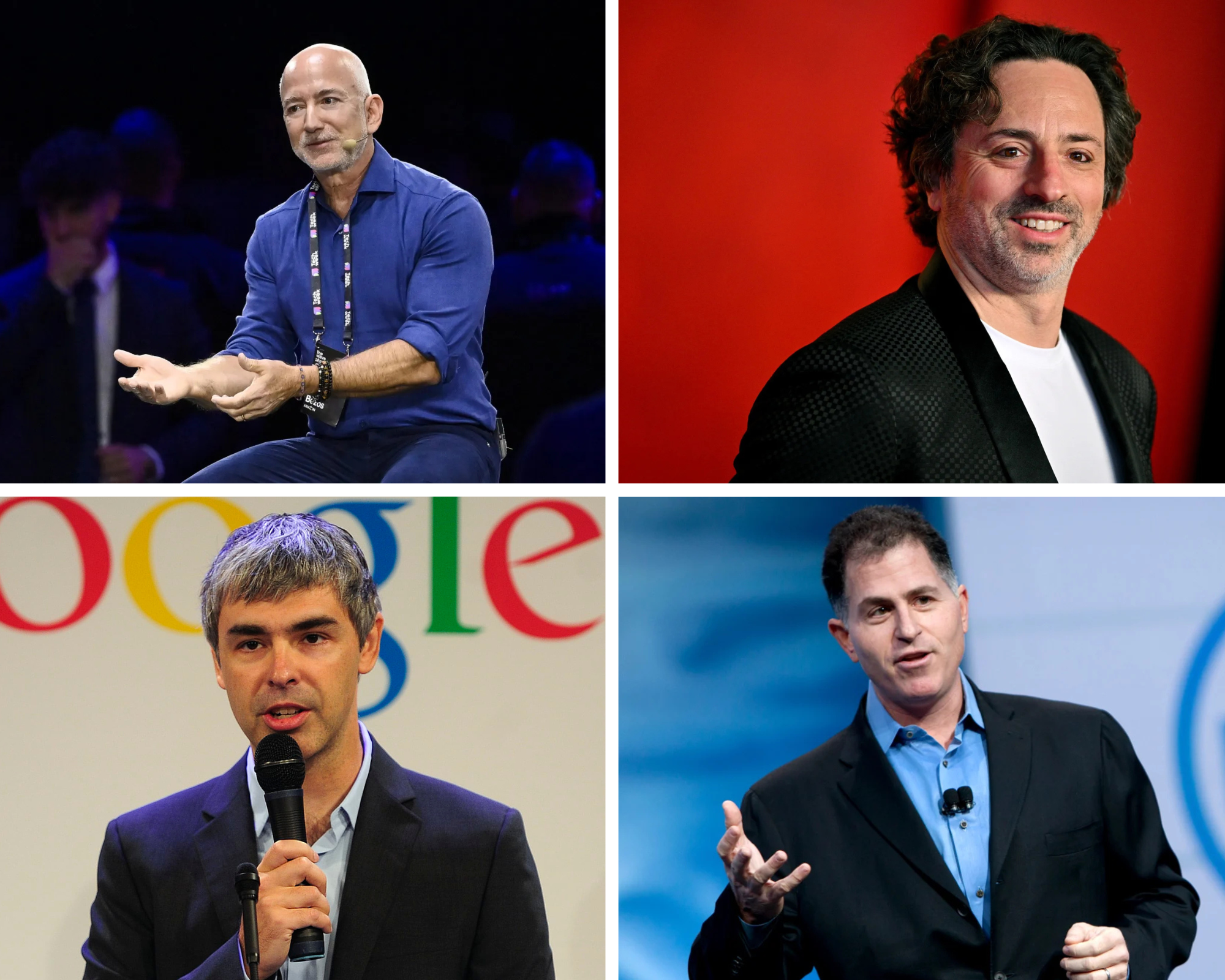
• Jeff Bezos made shopping easier through Amazon.
• Larry Page and Sergey Brin helped us find anything online through Google.
• Michael Dell made personal computers accessible to everyday households.
That deserves major props. Yes, some people made money in less admirable ways, but that is another conversation for another blog.
The issue is not rich people succeeding. My issue is rich people turning success in one lane into authority over all the lanes.
I like to say: rich does not equal smart. Or in math terms: rich ≠ smart.
Many wealthy people are experts at one thing.
They mastered a product, a market, or a moment in time. That focus made them rich. It does not automatically make them wise about life, work, relationships, or how the rest of society operates.
They are free to have opinions. Elon Musk, Michael Bloomberg, and Peter Thiel share theirs often. It starts to get annoying when those opinions turn into universal life advice for people living in completely different realities.
One of the most common examples is college. Rich folks love telling everyone higher education is a waste of time.
You hear:
• “College is overpriced.”
• “You do not need a degree to succeed.”
• “I dropped out and built a billion-dollar company.”
For people like Zuckerberg and Jobs, skipping college worked.
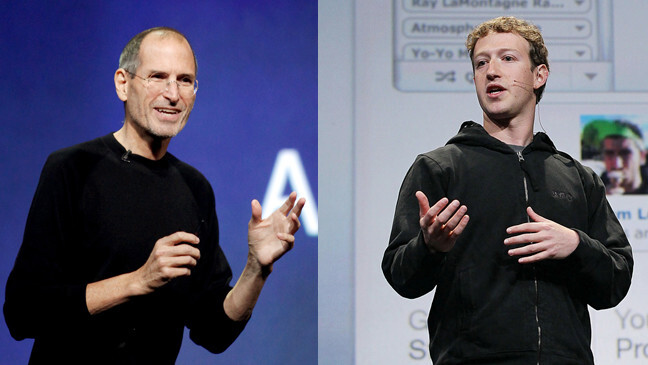
But they also had rare talent, elite networks, safety nets, and early access to opportunity. They were not choosing between tuition and groceries. They were not one medical bill away from disaster.
For most people, college still matters, and this is coming from someone who dropped out. It raises lifetime earnings, opens professional doors, and creates networks that change trajectories.
College is not for everyone, especially me, but advice like this needs more context.
Then there is social media. Take Les Snead, the General Manager of the Los Angeles Rams.
He has held one of the most exclusive jobs in sports for over a decade. There are only 32 of those roles on Earth. He won a Super Bowl. Reports say he earns around $15 million a year plus bonuses.
Recently, he appeared on Ryan Holiday’s Daily Stoic podcast and shared his big takeaway: why you should not have social media.
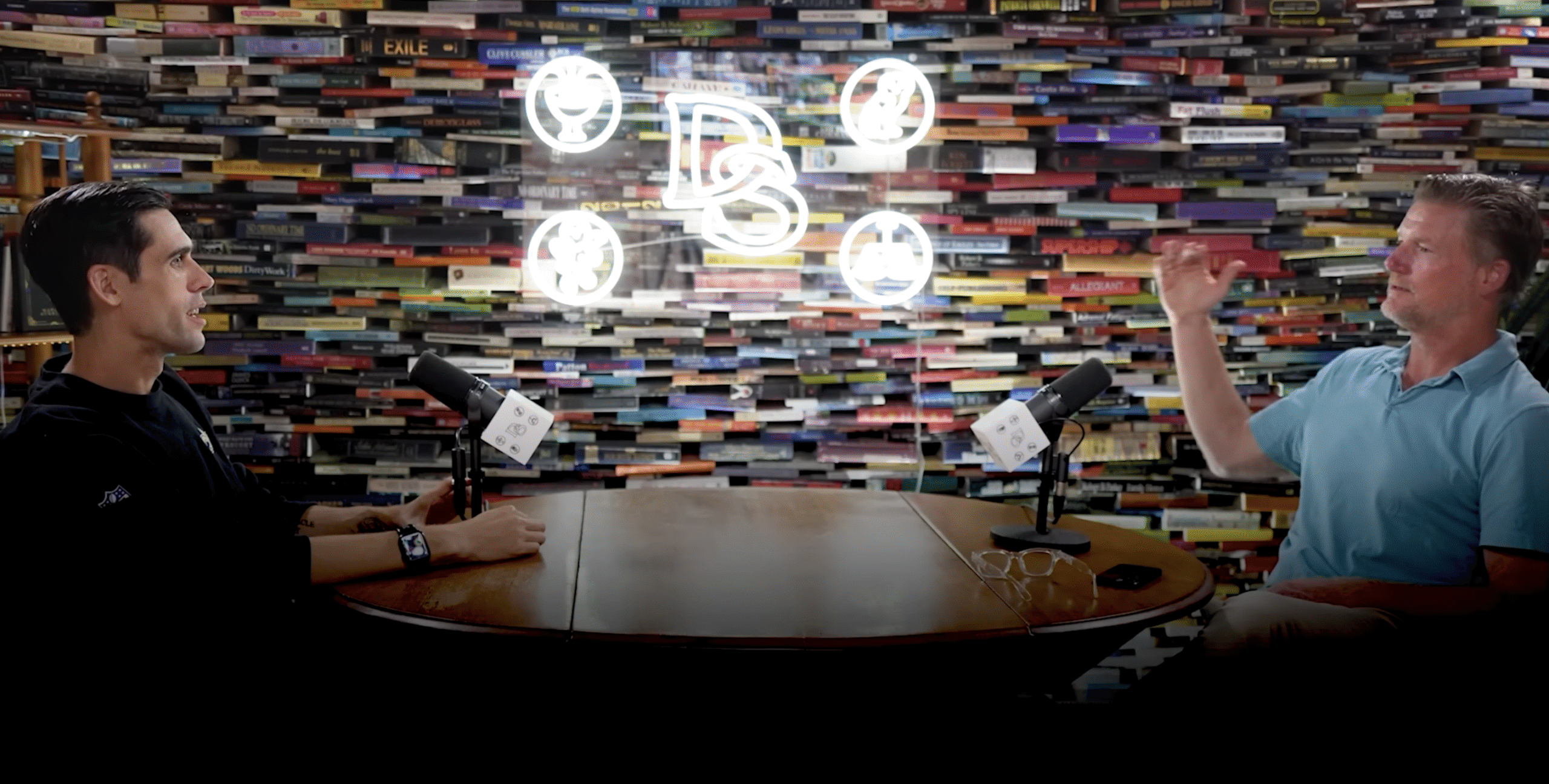
Yes, social media has problems. The toxicity is real. But social media is also how modern opportunity spreads.
It is how businesses grow, creators get discovered, and entrepreneurs compete without massive budgets.
Avoiding social platforms today is like opening a store and refusing to put up a sign.
Another pattern shows up constantly. The people who say “do not buy a home” often own several.
Home ownership is not for everyone. For many people, it feels impossible. But when financially secure people with multiple properties lecture the rest of us about why buying is a bad idea, the advice rings hollow.
When life gets easier, advice gets simpler, and usually less realistic.
Rich people often speak from a world where risk feels different, time feels different, and resources feel endless. Most people do not live there.
And that is the disconnect.
Rich people are great case studies. They are terrible rule books.
We can learn how they did it.
We should not blindly follow how they live.
Learn how they won. Don’t live like you already have.