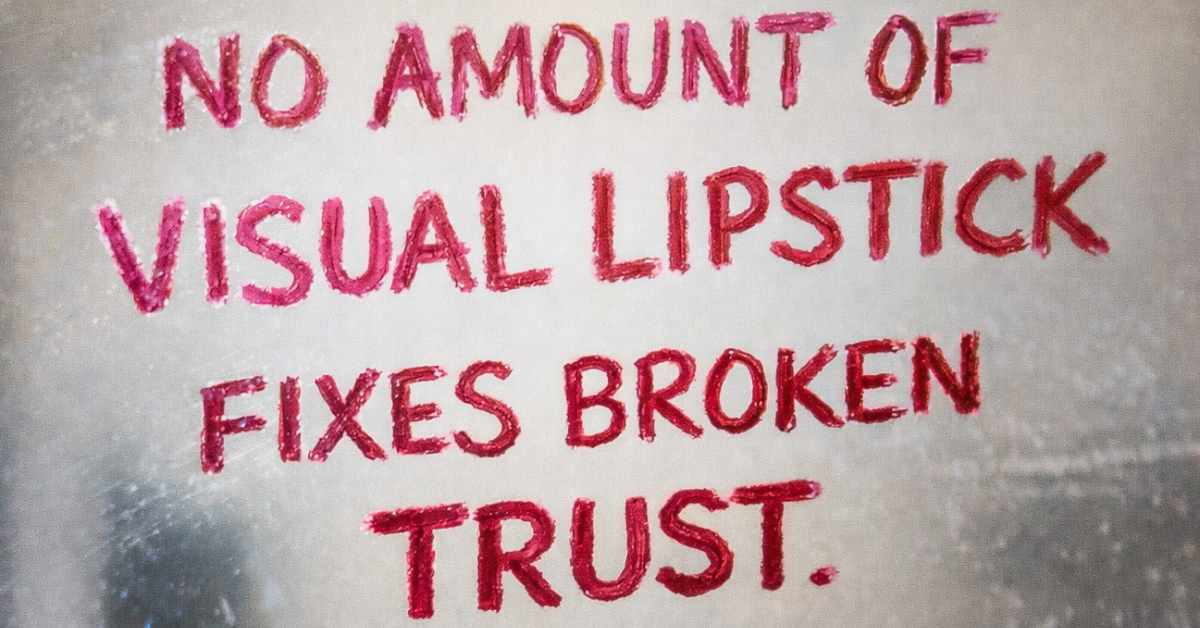
Why the future of work never starts at the top
We talk about AI replacing jobs all the time. Warehouse staff. Customer support reps. Designers. Analysts. But here is a simple question most people never ask. Why aren’t AI companies building AI to replace CEOs?
Yes, I am winking as I type, but stick with me. Most AI talk focuses on taking on tasks. Not replacing the people at the very top. Look at what top executives earn.
In the S&P 500 last year, the median total pay for CEOs was about $17 million per year, including salary, bonus, and stock awards. Meanwhile, the median worker at those same companies earns roughly $85,000 per year.
That means the average CEO earns around 200 times as much as a typical employee. If you want big numbers, this qualifies.
Imagine a company replaces a CEO with an AI system built for strategy, data, and automated decisions. A digital leader would not need a $17 million pay package. No stock awards, private jet or yacht parties. Sorry, David Zaslav.

The savings would add up fast. Companies could push that money into:
• Research and development
• Higher pay for frontline workers
• More AI tools
No one expects C-3PO to walk into the boardroom tomorrow. The absurdity helps highlight the gap.
For anyone worried about who sits in the corner office, relax. Robotics keeps moving fast, and those “companion” robots for lonely people keep getting better. Load one with the latest AI CEO software and you get a face, a voice, and a data-driven leader in one unit. The board gets a presence in the chair. The balance sheet keeps more cash.
Most AI talk today centers on augmentation, not replacement. AI helps people move faster. It reviews data, writes drafts, answers questions and it automates routine chores. People debate automation across blue-collar and white-collar roles. Yet you rarely hear executives suggest their own jobs belong on the chopping block.
Why? I would love to see Satya Nadella or Sam Altman come out and say they hope AI replaces them one day.
The entrepreneurs and investors pouring trillions into AI want stronger business results. They chase productivity and growth, not a future where software takes their seats in the corner office.
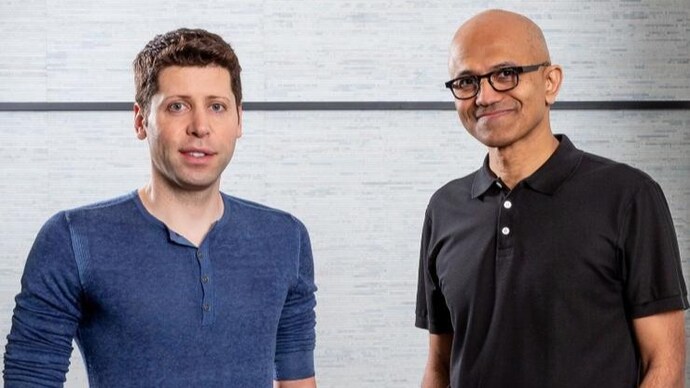
I get it. An AI CEO is not a real plan. But this idea forces us to think about how companies value work, reward power, and divide the money. We talk nonstop about AI reshaping jobs. We say far less about how wealth and authority stay comfortably seated at the top.
And maybe this small, tongue-in-cheek what-if nudges people to look harder at how power, pay, and progress should line up as AI reshapes how work gets done.
Let AI take the boring jobs first. Then maybe we let it review the corner office.