Every conversation, lesson, and memory sits on the shelves. Writing one story keeps part of that library from burning.
Leave it to a book about libraries to reveal the true power of books.
A few years ago, author Susan Orlean wrote about one of the worst library fires in American history. In 1986, the Los Angeles Public Library caught fire. Flames destroyed or damaged hundreds of thousands of books.
Her book has a simple title: The Library Book. Yet the story goes far beyond one tragic fire. The real subject involves something deeper. The emotional bond people feel toward libraries, the role books play in preserving human memory, and why you should write your story.
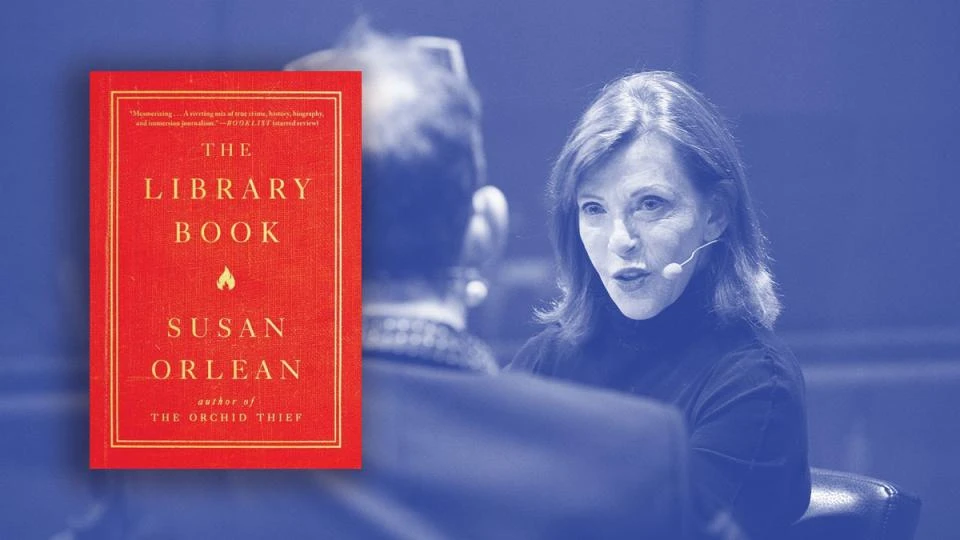
Susan traces her love of libraries back to childhood. Her mother took her to the library often. Those visits created lasting memories. Quiet rooms. Tall shelves. Entire worlds waiting behind a book’s cover.
Years later, she started writing about the library fire while facing another loss. Her mother’s memory started to fade. The shared memories they once held together began slipping away. That pushed her toward the page. If one person loses a memory, what happens to the moment itself? Does the memory disappear? Does the story vanish with it?
Susan wrote The Library Book partly to preserve those moments. She believed placing memories onto paper offered protection from time. Because the thought of being forgotten frightens people more than almost anything.
If nothing lasts, life begins to feel random. Joy, disappointment, love, loss. All of it fades. Books push back against that idea. When someone writes a story, the memory moves outside the mind. One person’s experience enters the lives of others. The story begins a second life.
Orlean captured this idea with a line many readers remember.
She writes, “Writing a book, just like building a library, is an act of sheer defiance. It is a declaration that you believe in the persistence of memory.”
There’s another phrase that expresses the same idea in a surprising way.
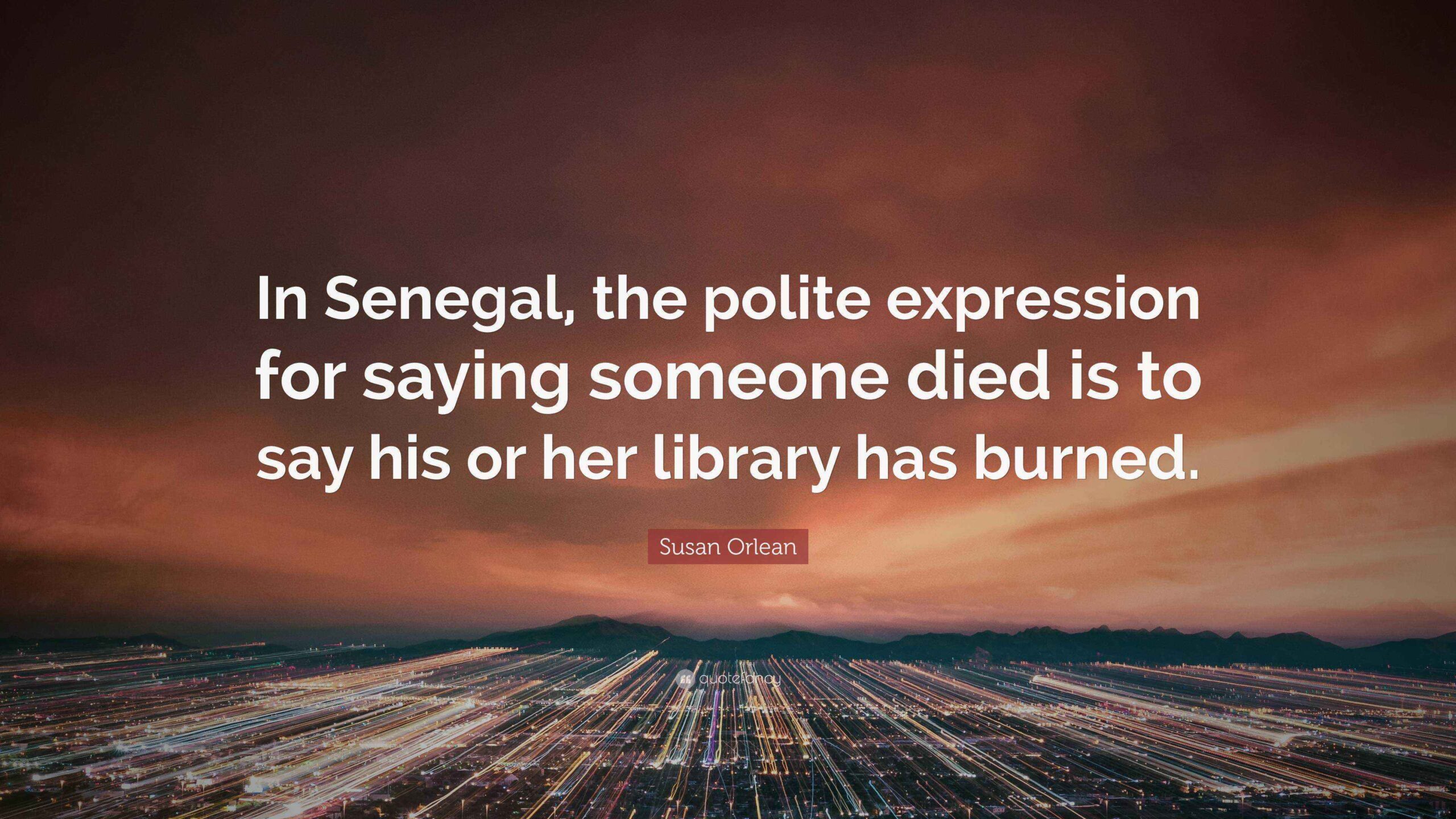
In Senegal, when someone dies, people sometimes say, “His library has burned.” Each person carries a private library inside the mind. Shelves filled with experiences, lessons, emotions, relationships, and memories.
Every conversation, triumph, or heartbreak. No two libraries look the same. When a person dies, that entire collection is gone, and the memories fade unless someone records them.
Books offer another way. If you take something from your personal library and put it on a page, the story begins a new life.
Many people believe writing belongs to professionals. Novelists. Journalists. People with tons of free time.
But writing usually starts somewhere much simpler. One inspiring story. One life-changing moment. One book you’ve read (see this blog).
Your library contains books no one else has. Your own personal Oprah book club. You do not need to write a full book tomorrow.
Start small. Write down one story.
Put it somewhere outside your mind. Maybe it’s a blog. Then another blog. Then another. Suddenly you have the makings of a book.
Because the moment a story reaches paper, or a screen, the story begins to live beyond your brain.
History offers proof of this idea.
During World War II, Los Angeles librarian Althea Warren launched the Victory Book Campaign. The effort gathered books for soldiers overseas. Girl Scouts walked door to door collecting donations. Libraries set up drop sites. Communities across the country joined the effort. Americans donated more than six million books. Those books reached service members across the world.
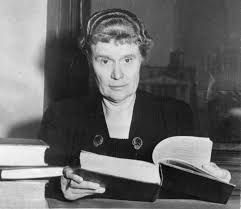
At the same moment libraries across Europe burned during the war, people across the United States packed crates with books for strangers they would never meet.
That year, Franklin D. Roosevelt spoke to librarians and delivered a line worth remembering.
“Books cannot be killed by fire. People die, but books never die.”
Every one of us carries a library inside us. Shelves filled with stories from a lifetime. Most of those stories disappear unless we write them down.
One story could become a lesson for someone else. One story could help someone feel understood. One page could outlive you.
Your library is already there, without the late fees.
Start with one shelf.
Write one story.